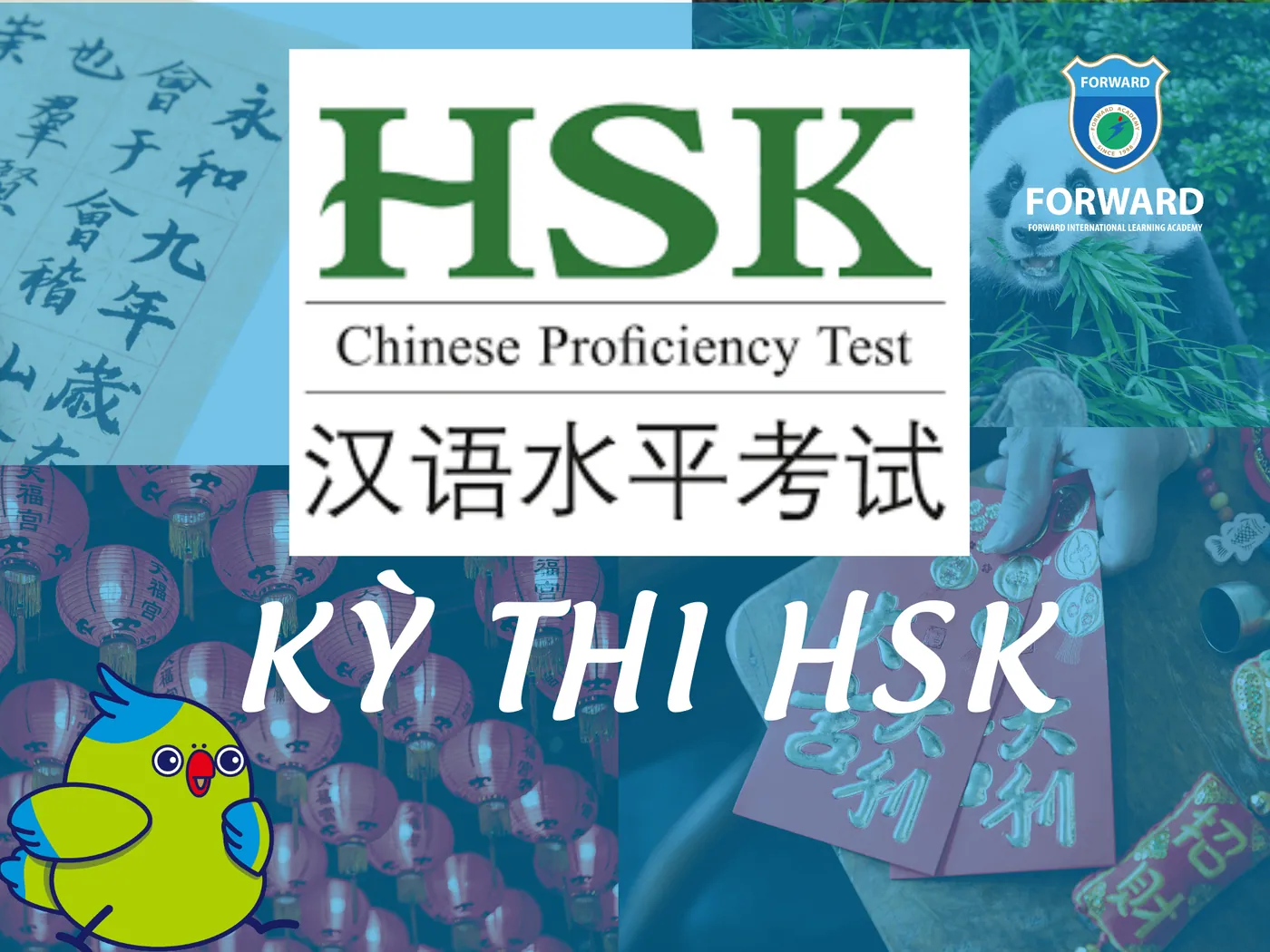
HSK (Test of Chinese as a Foreign Language (汉语水平考试) Hànyǔ Shuǐpíng Kǎoshì) is an examination that evaluates Chinese language proficiency for non‑native learners, administered by Hanban (the Center for Chinese Language and International Cooperation, under the Ministry of Education of the People’s Republic of China).
HSK proficiency levels:
- HSK 1: Basic level for beginners, covering approximately 150 vocabulary items.
- HSK 2: Elementary level, requiring knowledge of 300 vocabulary items.
- HSK 3: Intermediate level, requiring knowledge of 600 vocabulary items.
- HSK 4: Upper‑intermediate level, requiring knowledge of 1,200 vocabulary items.
- HSK 5: Advanced level, requiring knowledge of 2,500 vocabulary items.
- HSK 6: Highest level, requiring mastery of more than 5,000 vocabulary items.
HSK is an internationally recognized certificate that is commonly used to:
- Validate Chinese language proficiency for studying in Mainland China.
- Enhance employment prospects, especially with Chinese enterprises or internationally affiliated organizations.
- Measure and assess learners’ progress in Chinese language acquisition.




Comments & Q&A with Forward
Have questions about admission requirements, scholarships, or tuition? Leave your question below!